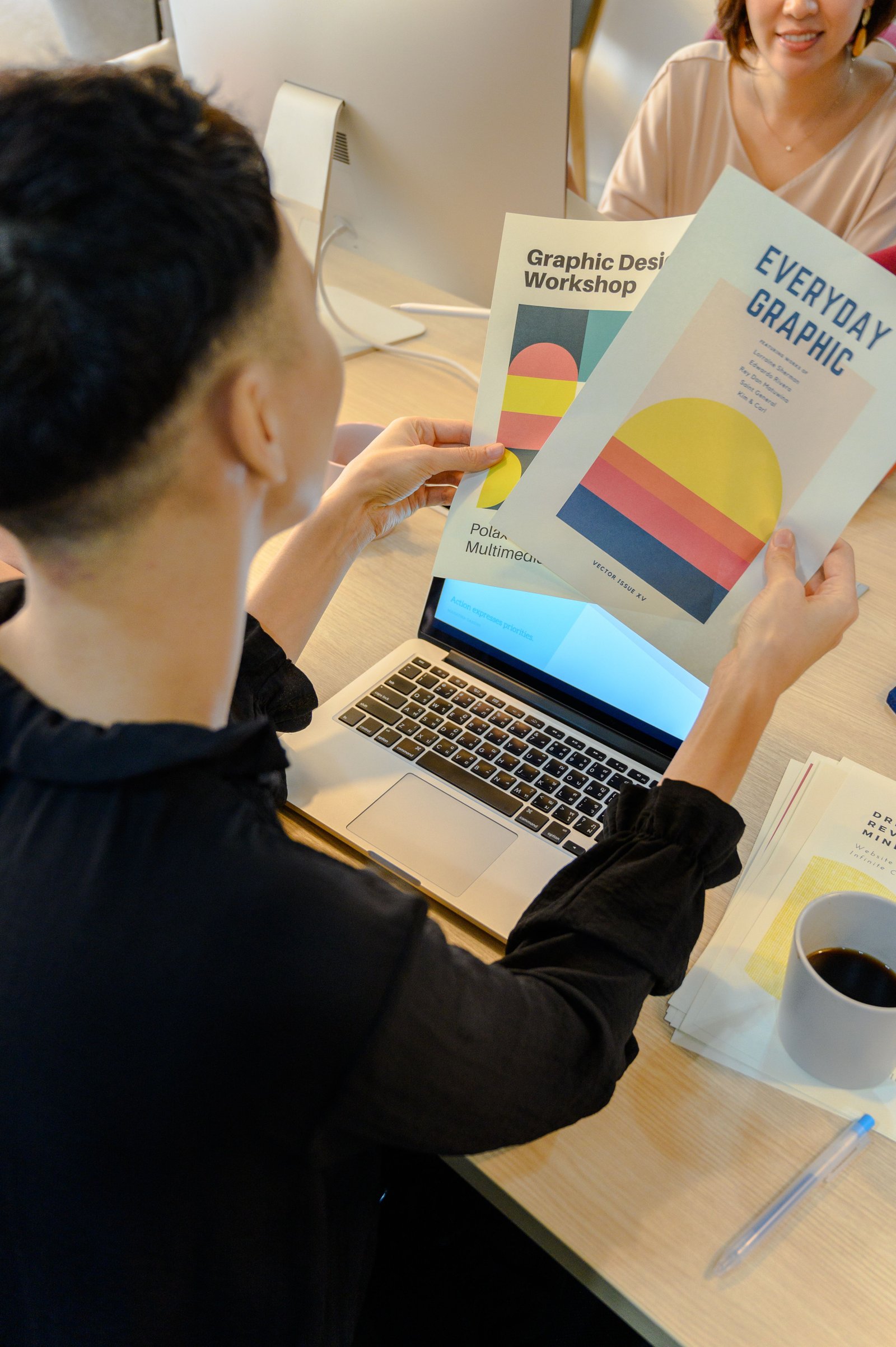
Graphic Design Reality: Myths, Challenges, and Rewards
Published on | Category: Creative Careers & Visual Design
Introduction: Debunking the Glamorous Myths of Graphic Design
From an outside perspective, the life of a graphic designer often looks effortlessly stylish. Many people envision creative professionals sitting comfortably in aesthetic coffee shops, sipping artisan coffee, and casually tweaking digital illustrations on sleek laptops. Social media platforms further amplify this myth, depicting graphic design as a quick path to financial independence, high paying remote gigs, and effortless creative expression.
However, the actual truth behind entering the visual design industry is significantly more nuanced and demanding. Graphic design is neither a magic gateway to overnight wealth nor an easy walk in the park. It is a rigorous blend of artistic intuition, technical expertise, strategic psychology, and infinite patience. Understanding what truly happens behind the scenes is crucial for anyone aspiring to build a lasting career in visual communications.
The Occupational Hazard: Developing an Obsession with Visual Details
One of the earliest transformations a graphic designer experiences is a permanent shift in how they perceive the world around them. Once you master the fundamentals of layout, visual hierarchy, color theory, and typography, you can never look at ordinary media the same way again.
This professional shift often borderlines on a harmless visual obsession. As you walk through city streets or browse digital platforms, you automatically analyze every piece of visual media you encounter:
- Typography Identification: You find yourself actively trying to guess font families on billboards, store signs, and product packaging. Identifying whether a logotype uses Helvetica, Futura, or Garamond becomes an involuntary mental exercise.
- Layout Evaluation: You notice improper kerning between letters, unbalanced line spacing, inconsistent margins, and poor color contrast instantly.
- Print & Digital Critique: Seeing an improperly aligned poster or a poorly compressed web banner creates a genuine sense of frustration.
While this heightened awareness makes you a far better creative professional, it also means your mind is constantly dissecting visual clutter everywhere you go.
Continuous Education: Why Design School Never Really Ends
A common misconception among beginner artists is that earning a university degree or completing a specialized boot camp marks the end of their education. In the fast-evolving landscape of modern media, visual design education is a lifelong commitment.
Graduating from a design program is merely the foundation. The tools, software platforms, design methodologies, and aesthetics undergo continuous transformation. To remain competitive and relevant in the market, designers must constantly adapt to emerging trends and technological shifts:
Key Areas of Ongoing Professional Growth
- Mastering New Software: Design tools evolve rapidly. Industry standard programs continuously update their workflows, requiring professionals to learn new feature sets regularly.
- Adapting to Design Trends: From flat design and minimalism to 3D realism, brutalism, and glassmorphism, aesthetic preferences shift every few years. Staying current requires constant research and practice.
- Cross-Disciplinary Integration: Modern graphic designers often need to expand their skills into user interface (UI) design, user experience (UX) principles, motion graphics, and basic front-end web development code.
Navigating Client Feedback and Revisions: Developing Thick Skin
Perhaps the most challenging aspect of working as a professional designer is managing client relationships and handling harsh critique. When you pour hours of intense focus, creative energy, and technical skill into a conceptual project, you naturally form an emotional connection to your work.
However, commercial art exists to solve business problems, not just to satisfy personal artistic taste. It is entirely common to submit a carefully crafted concept only to receive feedback like: "This isn't working at all, please redesign it from scratch," or "Make the logo bigger and change all the colors."
To survive and thrive in this industry, designers must learn to separate their personal identity from their commercial output. Constructive feedback—and even misinformed client demands—are part of the service industry. Developing emotional resilience, effective communication techniques, and the ability to articulate why a design choice works strategically are vital skills for long-term career success.
The True Rewards: Autonomy, Flexibility, and Entrepreneurship
Despite the demanding learning curves, client friction, and detailed analytical mindset required, graphic design remains one of the most rewarding and dynamic career paths available today. The unique structure of the visual communications industry offers personal benefits that few traditional professions can match.
1. Location Independence and Remote Work
Graphic design is inherently digital. As long as you possess a reliable computer, specialized design software, and a stable internet connection, your physical location becomes irrelevant. Designers can collaborate seamlessly with clients across different continents, working from home offices, co-working hubs, or while traveling abroad.
2. Diverse Career Trajectories
A background in visual design opens doors to numerous specialized career tracks. Designers can transition into brand strategy, art direction, creative direction, packaging design, publication layout, motion design, or digital product design.
3. Being Your Own Boss
Graphic designers have a straightforward pathway to entrepreneurship. Whether operating as a solo freelancer, launching an independent design agency, or creating digital product assets for passive income, the profession grants individuals full control over their workload, client selection, and earnings potential.
Conclusion: Is a Career in Graphic Design Right for You?
In summary, becoming a successful graphic designer involves far more than simply knowing how to navigate design software. It demands a balance of critical thinking, artistic discipline, persistent learning, and psychological resilience. While it will not bring instant, effortless wealth, it offers something far more valuable for creative individuals: the autonomy to build a career on your own terms, solve meaningful visual problems, and shape how the world interacts with information.