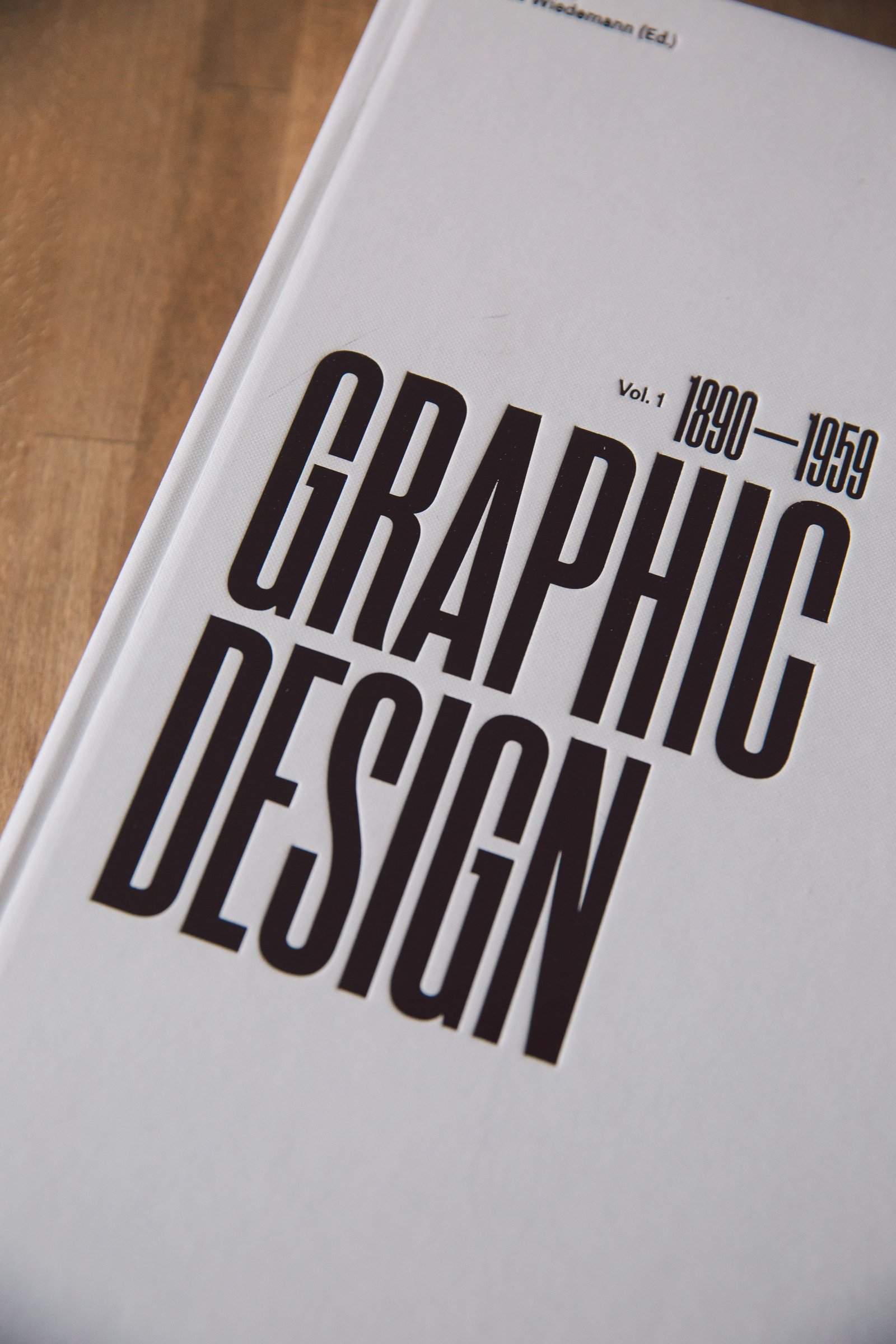
How to Create Original Graphic Designs Without Copying Others: A Comprehensive Masterclass
Master the profound art of creative inspiration, intelligent synthesis, and building a standout professional design portfolio from scratch.
The Eternal Creative Dilemma: Seeking Originality Without Falling Into Burnout
Every single graphic designer, from enthusiastic beginners taking their very first steps in the industry to seasoned professionals managing high-profile corporate accounts, faces a recurring psychological barrier when beginning a new project. The intense pressure to create something completely unique, unprecedented, and revolutionary often leads straight to severe creative paralysis. You sit down in front of a blank screen, armed with the best intentions, telling yourself that this time you will be entirely original and forge a path nobody has ever walked before.
However, forcing your brain to invent entirely new paradigms out of an absolute vacuum is exhausting. You end up overanalyzing every single detail, torturing yourself with self-doubt, and watching precious hours slip away. At the end of the day, you close your laptop with a heavy sense of guilt, feeling like you accomplished absolutely nothing while burning through your mental energy. The reality of professional design, however, is very liberating: true originality does not mean inventing elements from nothing. Instead, it is rooted in how cleverly you research, filter, and synthesize existing visual references into something uniquely yours.
Step 1: Conducting Effective Visual Research on Platforms Like Pinterest and Behance
The foundation of any successful design project is comprehensive and targeted research. When starting a fresh branding or social media design project, never stare blankly at a white artboard waiting for a divine spark. Instead, immerse yourself in visual exploration by leveraging industry-standard platforms like Pinterest and Behance.
- Broad Exploration: Search for keywords directly related to your target concept, such as food marketing, modern typography, or minimalist branding, to see what industry standards look like.
- Curating Standout References: Actively collect designs that trigger an emotional or aesthetic reaction in you, saving them into a structured mood board.
- Filtering Ideas: Sift through your gathered collection and pinpoint the most striking features that align with the core message you want to communicate.
Step 2: Deconstructing and Blending Concepts Ethically
A common trap for novice designers is finding a single stunning design and trying to replicate it with minor color tweaks. This crosses the line from inspiration into plagiarism. The professional secret to avoiding this trap is a process called deconstruction and synthesis.
How to Deconstruct Reference Materials
When you examine a collection of reference images, you must isolate them into distinct mechanical components rather than viewing them as untouchable wholes:
- Color Palettes: Extract specific tone combinations, gradients, or contrasting color rules from the first reference image.
- Textures and Backgrounds: Borrow organic grunge textures, subtle paper grains, or geometric patterns from a completely different artistic source.
- Typography Treatments: Observe how headlines are structured, scaled, and paired with secondary body fonts in another layout.
- Compositional Framing: Note how negative space, framing lines, and focal points are organized to direct viewer attention.
By pulling a texture from Project A, a color grading style from Project B, and a typography alignment from Project C, you successfully blend these separate ingredients into a brand-new recipe. The resulting composition bears your own creative DNA.
Step 3: Mastering Visual Hierarchy, Focal Points, and Composition
An impactful graphic design relies heavily on guiding the human eye smoothly across the layout. When analyzing your reference collection, pay acute attention to how professional designers construct visual hierarchy.
For instance, examine how a product like a burger is positioned dead center to dominate the frame, with supporting typography seamlessly woven behind it. Notice how discount badges are enclosed within geometric shapes like circles or custom paper textures to make them pop out. By understanding these placement rules, you can intentionally break and rebuild layouts that communicate information clearly while remaining visually arresting.
Step 4: Accelerating Growth and Monetizing Your Practice Projects
Theory alone will never make you a great designer; consistent practical execution is what separates amateurs from professionals. Once you understand how to synthesize references, put this framework into motion immediately.
Expanding Your Portfolio Without Live Clients
If you are struggling to land freelance clients or secure a full-time design position, do not let your workflow stall. Create fictional brand identities, redesign your favorite local restaurant's promotional graphics, or build conceptual poster collections. Treat these self-initiated tasks with the same strict standards as paid commercial work to build a robust portfolio.
Generating Passive Income from Practice Work
Every single design project you complete holds inherent financial and educational value. If you cannot find immediate clients, package your best creative concepts as digital design templates. Upload them to global stock and template marketplaces. This approach allows you to earn passive revenue for every single sale or download while continuing to sharpen your artistic expertise.