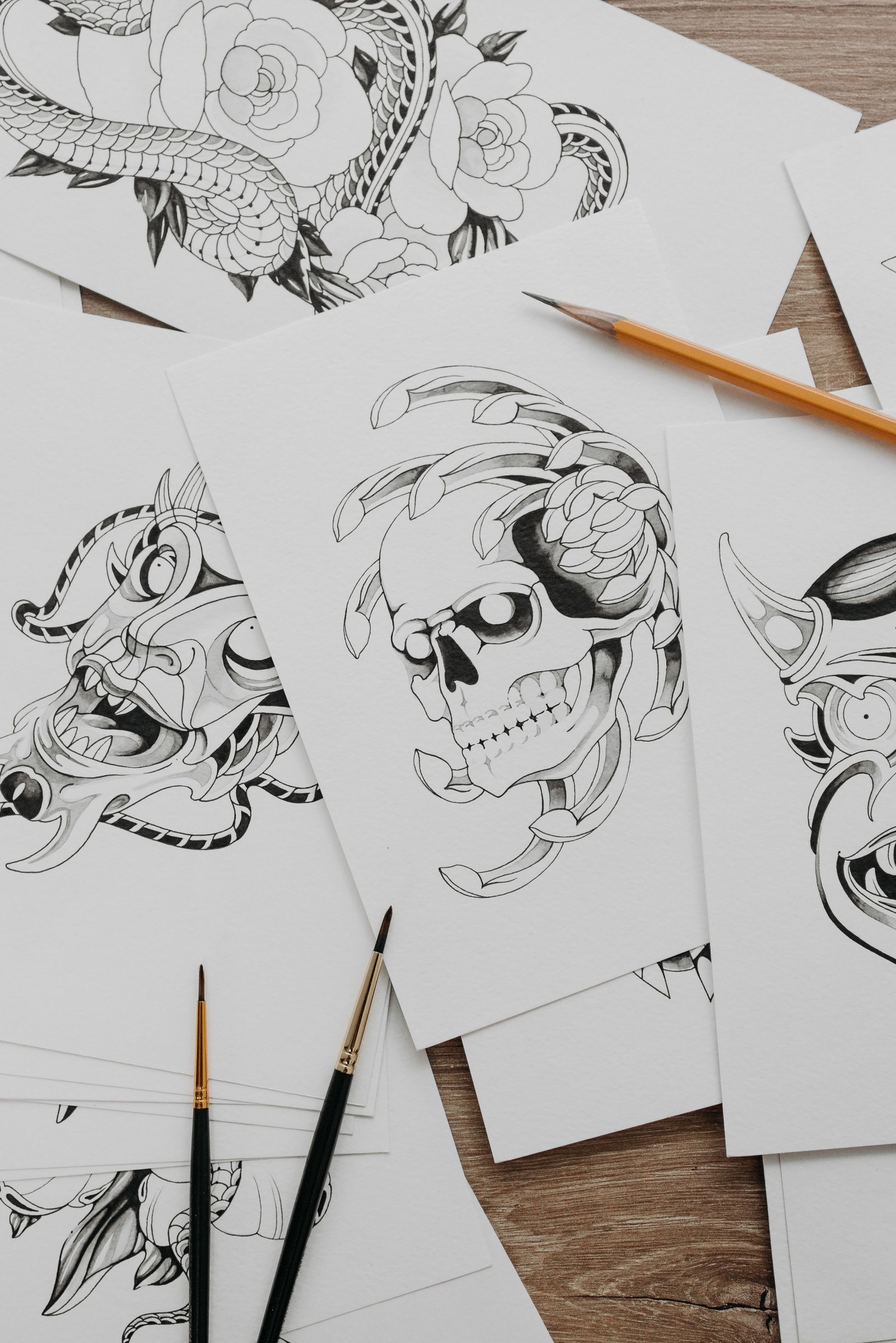
Why Illustration Functionally Serves as a Vital Sub-Branch of Graphic Design
While fine art focuses on personal expression, graphic design and illustration share a single core mission: communicating clear messages through visual mediums.
Introduction: Defining the Creative Intersection
In the broad creative industry, people often debate the boundaries separating fine art, illustration, and graphic design. While fine art exists primarily for self-expression, both graphic design and illustration operate under the banner of applied art. They serve a functional purpose: translating complex concepts, narratives, and commercial messages into structured visual media.
Because illustration fundamentally relies on visual problem-solving to convey precise ideas to an audience, it is universally classified as an essential specialized sub-branch of graphic design.
1. Shared Core Purpose: Purposeful Visual Communication
The foundational connection between graphic design and illustration lies in their underlying objective.
Delivering a Clear Message
Graphic design uses layout, typography, color theory, and imagery to inform, persuade, or direct an audience. Similarly, commercial illustration is rarely created in a vacuum; it is drawn specifically to clarify a topic, accompany a story, or reinforce a brand identity. Both disciplines leverage visual cues to bridge the gap between complex ideas and human comprehension.
Problem-Solving Through Visual Means
A graphic designer structures information on a web banner or packaging layout so the viewer absorbs key messages effortlessly. An illustrator approaches a project with identical discipline—using line work, composition, and metaphorical imagery to solve a communicative challenge.
2. The Unique Strength of Illustration: Visualizing the Unphotographable
While graphic design frequently incorporates photography and typography, custom illustration offers distinct creative advantages that photographic media cannot match.
Bypassing the Limitations of Photography
Photography is bound by physical reality, camera optics, lighting conditions, and tangible subjects. Illustration, however, holds unlimited creative freedom. When a brand needs to depict abstract software processes, futuristic concepts, internal biological mechanics, or fantasy worlds, illustration becomes the ultimate storytelling tool.
Stylistic Brand Differentiation
Custom vector graphics and hand-drawn character designs allow companies to cultivate a distinct visual personality. Unique illustrative styles establish instant brand recognition across digital applications, marketing campaigns, and UI/UX onboarding screens.
3. How Illustration Integrates Into Graphic Design Workflows
In modern digital production, design and illustration work hand in hand across various commercial touchpoints.
Editorial and Editorial Design
Magazine articles, blog posts, and news editorials frequently utilize custom editorial illustrations to summarize complex political, economic, or social narratives in a single compelling image.
UI/UX and Digital Products
Modern web applications rely heavily on custom micro-illustrations and spot art for empty states, success messages, and user onboarding sequences. These visual cues enhance user experience while keeping interface layouts intuitive and human-centered.
Packaging and Branding Systems
Product packaging relies on custom artwork to evoke specific moods—such as organic warmth, playful energy, or premium craftsmanship—helping products stand out on retail shelves and digital storefronts.
Conclusion: A Unified Discipline for Impactful Communication
Key Takeaway: Illustration operates as a specialized branch of graphic design because both disciplines share the ultimate goal of visual communication—with illustration excelling at visualizing abstract ideas that photography cannot capture.
Mastering both graphic design principles and custom illustration techniques equips visual creators with a powerful toolkit for translating any complex narrative into engaging, memorable artwork.