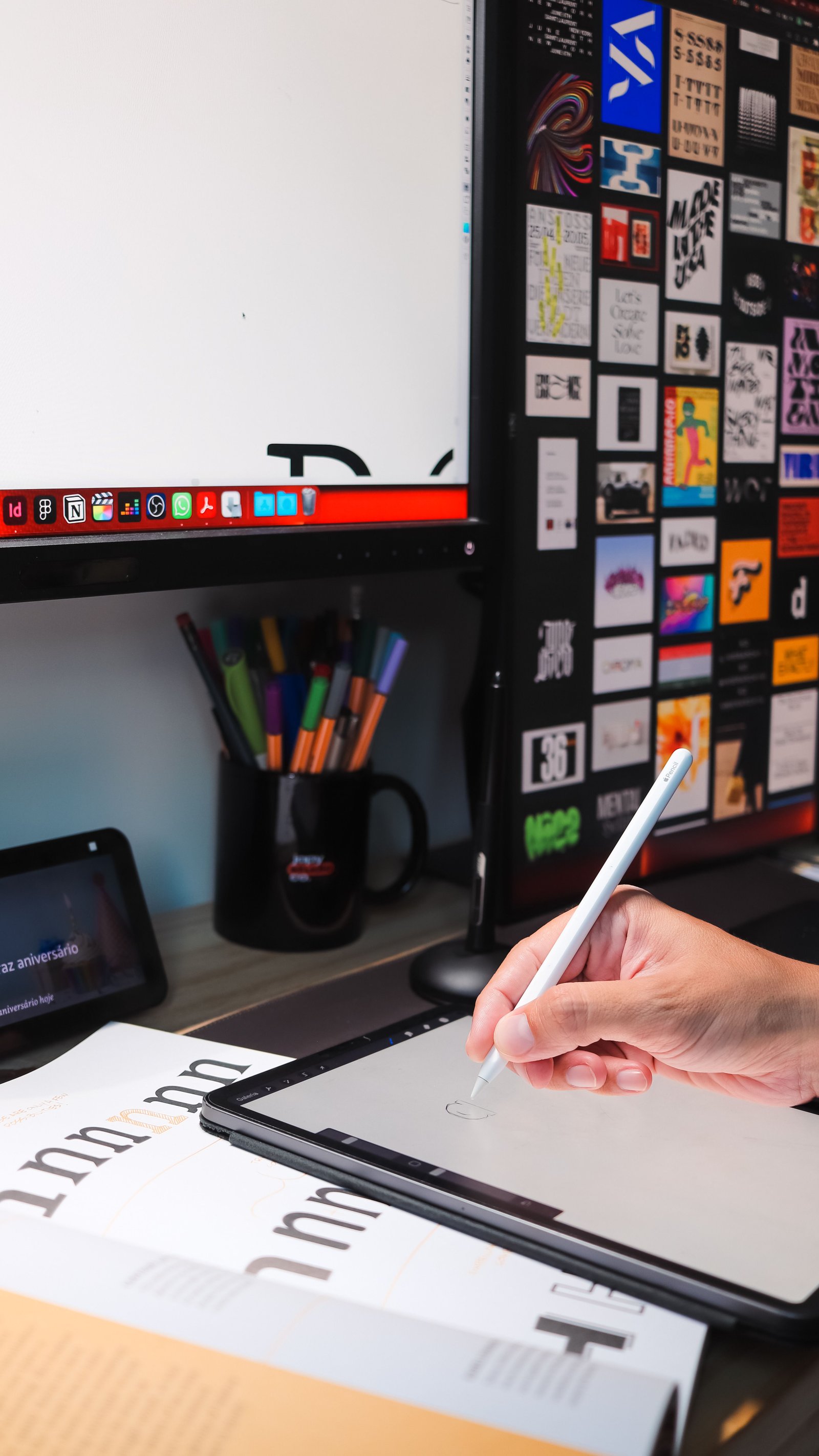
5 Essential Tips for Designers to Improve Their Aesthetics and Design Skills
Improve your design skills with five practical tips used by professional designers. Learn how feedback, design analysis, deliberate practice, and attention to detail can help you develop a stronger design aesthetic and create more polished user interfaces.
Introduction
Every designer reaches a point where their technical skills improve faster than their creative eye. You may understand typography, spacing, colors, and layout principles, yet still feel that your designs lack the polished appearance seen in products created by experienced professionals.
Developing a strong design aesthetic is not something that happens overnight. It is the result of continuous observation, constructive feedback, consistent practice, and learning from people who have already mastered their craft. Professional designers spend years refining their visual judgment by studying successful products and understanding why certain design decisions work better than others.
Whether you are interested in UI design, UX design, graphic design, branding, or product design, the following five techniques can significantly accelerate your growth and help you build more professional, visually appealing work.
Why Improving Your Design Eye Matters
Great designers do more than make interfaces attractive—they solve problems while creating experiences that feel intuitive, balanced, and enjoyable. A refined visual eye helps you recognize inconsistencies in spacing, typography, hierarchy, alignment, contrast, and color usage before users ever notice them.
As your aesthetic judgment improves, you'll make better design decisions more naturally, communicate ideas more effectively, and produce interfaces that inspire confidence and trust among users and clients.
5 Essential Tips to Become a Better Designer
-
1. Seek Feedback from Experienced Designers
Constructive feedback is one of the fastest ways to improve. Senior designers often notice problems that beginners overlook, including inconsistent spacing, weak typography, accessibility issues, and visual hierarchy mistakes.
Sharing your work with experienced professionals allows you to identify blind spots and develop better design habits much faster than working alone.
-
2. Follow Outstanding Designers and Creative Agencies
Regularly studying the work of leading design agencies and successful product teams exposes you to modern trends, high-quality execution, and innovative user experiences. Instead of copying designs, analyze why certain layouts, interactions, and visual systems are effective.
Building the habit of observing excellent work gradually strengthens your own design instincts.
-
3. Recreate Exceptional Designs
One of the most effective learning techniques is recreating interfaces created by professional designers. By rebuilding layouts yourself, you begin to understand spacing systems, typography scales, color choices, component structures, and interaction patterns that may not be obvious at first glance.
This exercise develops technical skills while training your visual perception.
-
4. Study How Great Designers Think
A portfolio only shows the final result. To truly learn from experienced designers, explore their interviews, articles, presentations, social media posts, design breakdowns, and creative processes.
Understanding how professionals solve problems often provides more valuable lessons than simply viewing finished projects.
-
5. Pay Attention to Small Details
Great design is built through countless small decisions. Tiny adjustments to spacing, border radius, shadows, icon alignment, animation timing, and typography can dramatically improve the overall appearance of an interface.
Practicing these micro-details repeatedly helps develop the polished aesthetic that distinguishes experienced designers from beginners.
Additional Habits That Accelerate Growth
- Design something consistently every week.
- Study typography, layout, and color theory regularly.
- Learn accessibility and inclusive design principles.
- Build complete projects instead of isolated screens.
- Review your older work to measure progress.
- Stay curious about new tools, workflows, and technologies.
- Practice solving real user problems rather than designing only for aesthetics.
Conclusion
Becoming a better designer is a continuous process rather than a destination. Improvement comes from combining technical knowledge with observation, experimentation, and thoughtful feedback. The strongest designers are lifelong learners who constantly analyze successful products and refine their own creative process.
By seeking constructive criticism, studying industry leaders, recreating outstanding interfaces, understanding how professionals think, and mastering small visual details, you can steadily develop a stronger design aesthetic and produce work that feels more polished, modern, and user-centered.