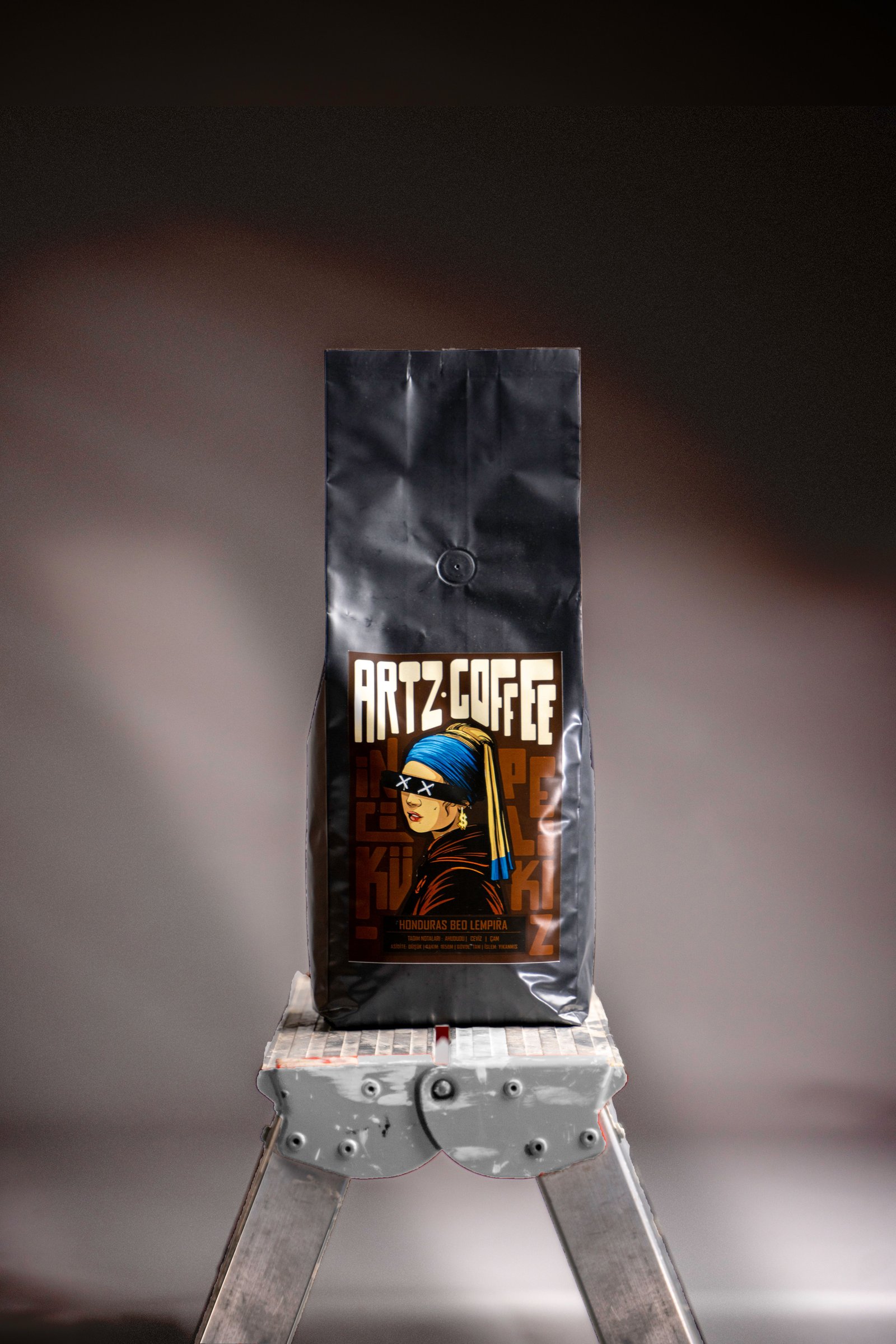
Essential Packaging Design Terminology: A Guide to Functional Packaging Layers
In graphic design and product manufacturing, effective packaging balances aesthetic visual appeal with practical physical protection and regulatory compliance.
Introduction to Packaging Engineering and Terminology
Packaging design is far more than applying logos and striking colors to a cardboard box. It is a multi-tiered engineering discipline that ensures products remain safe throughout supply chains, comply with trade regulations, and communicate clearly to prospective buyers at the point of sale. Understanding core industry terminology allows graphic designers, brand managers, and production teams to collaborate effectively and build functional, beautiful retail products.
1. Primary Packaging (Sales Packaging)
Primary packaging represents the first layer of enclosure that comes into direct physical contact with the product inside. Its primary duty is protection, preservation, and immediate consumer marketing.
Key Functions and Examples
Because primary packaging is what consumers interact with directly during use, it carries the heaviest brand identity responsibility on retail shelves.
- Examples: Chocolate bar wrappers, beverage cans, cosmetic bottles, medicine blister packs, and snack bags.
- Protection: Keeps food fresh, prevents contamination, and shields sensitive ingredients from air or moisture.
- Marketing Impact: Displays primary logos, nutritional facts, key brand messaging, and enticing visuals.
2. Secondary Packaging (Grouped Packaging)
Secondary packaging brings multiple units of primary packages together into organized groups. It is designed primarily for retail display organization and intermediate transportation ease.
Bridging Protection and Display
While secondary packaging serves a protective function, it often doubles as a point-of-sale display in warehouse clubs or supermarket aisles.
- Examples: Multi-pack cardboard boxes for canned soda, shrink-wrapped water bottle bundles, or display trays holding individual snack pouches.
- Structural Support: Prevents individual primary packages from crushing or shifting during transit.
- Handling Efficiency: Allows store clerks to restock shelves in bulk rather than arranging single items individually.
3. Tertiary Packaging (Transport / Shipping Packaging)
Tertiary packaging is engineered specifically for shipping, warehousing, and bulk distribution. Consumers rarely see this layer during a standard retail purchasing experience.
Logistical Safety and Supply Chain Efficiency
The sole focus of tertiary packaging is maximizing transit safety and space utilization inside freight trucks, cargo ships, and fulfillment centers.
- Examples: Heavy-duty corrugated shipping cartons, wooden pallets, and stretch-wrap film.
- Damage Prevention: Shields primary and secondary layers from drops, impacts, and weather exposure during long-distance transport.
- Standardized Storage: Designed to stack uniformly inside shipping containers and storage racks.
4. Windowed Packaging (Die-Cut Window Boxes)
Windowed packaging incorporates a die-cut opening in the outer box covered with a transparent film (such as clear acetate or plastic film) to reveal the actual product inside.
Building Consumer Trust Through Transparency
For certain product categories, consumers want to inspect the physical item before making a purchase decision.
- Common Applications: Pasta boxes showing grain texture, toy packaging displaying action figures, specialty pastries, and luxury textiles.
- Tactile Assurance: Reassures shoppers of product quality, color accuracy, and freshness without breaking the hygienic seal.
5. Label Design and Regulatory Information
Label design involves creating adhesive or printed wraps applied directly onto primary containers, such as glass bottles, jars, or plastic jugs.
Essential Communication and Compliance
Beyond brand aesthetics, labels carry legally mandated technical information essential for consumer safety and transparency.
- Product Identification: Displays volume/net weight, flavor profile, and brand identity.
- Safety and Compliance: Contains ingredient lists, allergen warnings, usage instructions, expiration dates, and barcode tracking.
Conclusion: Balancing Form, Aesthetics, and Functionality
Key Takeaway: Successful packaging design requires a master balance between visual beauty and structural functionality across every layer of the supply chain.
Understanding the distinct roles of primary sales packaging, secondary group packaging, tertiary shipping containers, die-cut window displays, and regulatory labels empowers designers to build cohesive, resilient, and commercially successful product lines.